
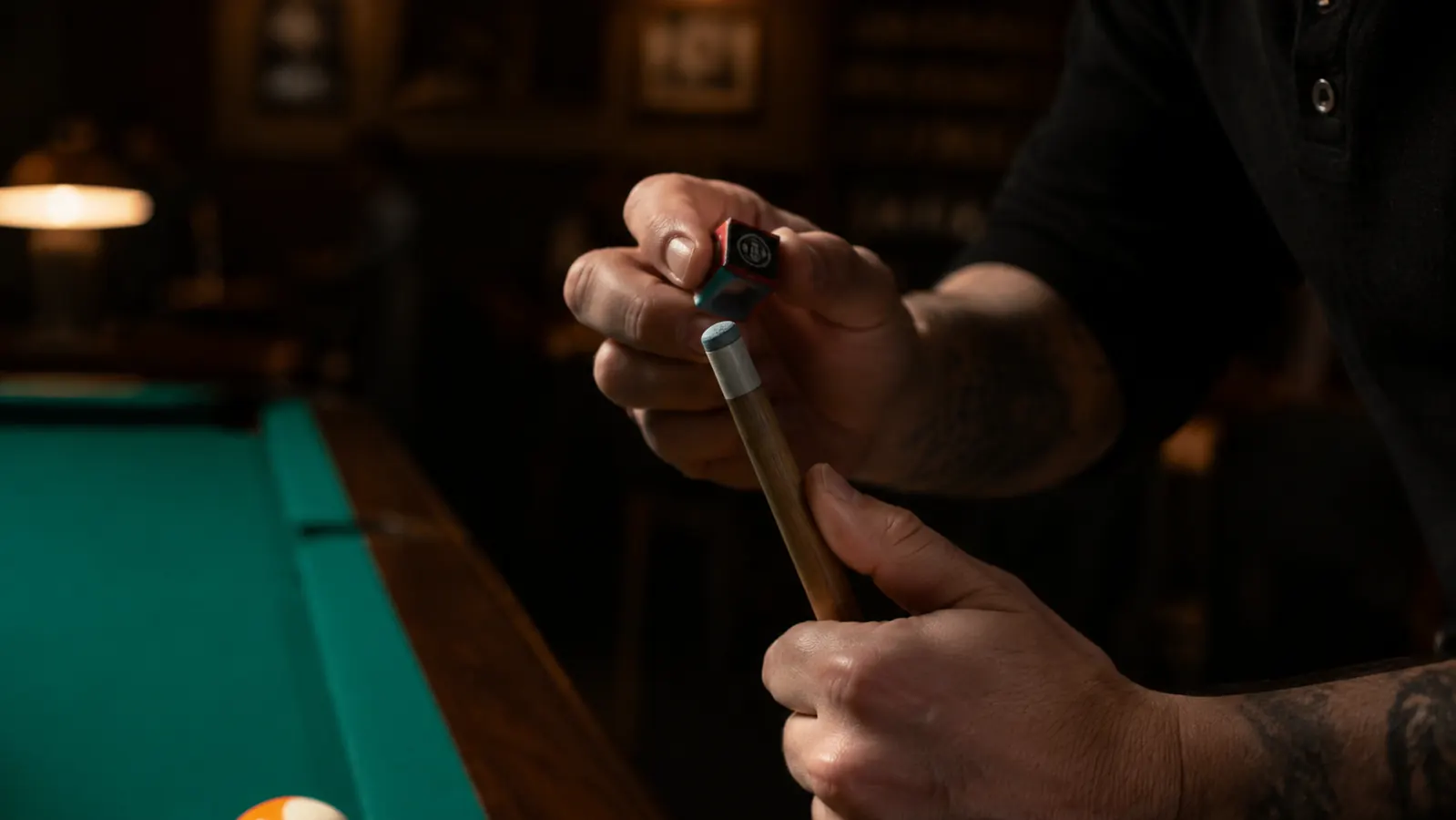
I used to blame my stroke every time I miscued on a follow shot or watched side English dissolve halfway to the pocket. I'd go home and practice fundamentals, adjust my bridge, check my elbow drop. It took two years of league play before a teammate handed me a cube of Predator chalk and said, 'Try this for a session.' I had three miscues that whole night. My usual count was six to eight. The chalk was doing more damage than my stroke ever did.
Most players treat chalk like it's interchangeable, grabbing whatever cube is sitting on the rail. It is not interchangeable. The compound hardness, the granule adhesion, and how long the coating lasts per stroke all determine whether your tip actually grips the cue ball or slides off it. Here are the ten ways bad chalk is quietly costing you shots every night you play.
If your miscue rate climbs when the stakes go up, the chalk is probably part of it.
Predator chalk has a 4.7-star rating from over 6,600 buyers. That is not a coincidence. It is a softer-compound formula that adheres to the tip and stays there through multiple strokes.
Amazon Check Today's Price on Amazon →Hard compound lets the tip slide at contact
Mass-market chalk uses a harder silica blend that does not compress against the tip fibers properly. When you strike off-center, the contact zone skids instead of gripping. Predator uses a softer compound that deforms slightly at impact, filling micro-gaps in the tip surface and reducing the slip that causes miscues. This is the foundational difference and every other item on this list flows from it.
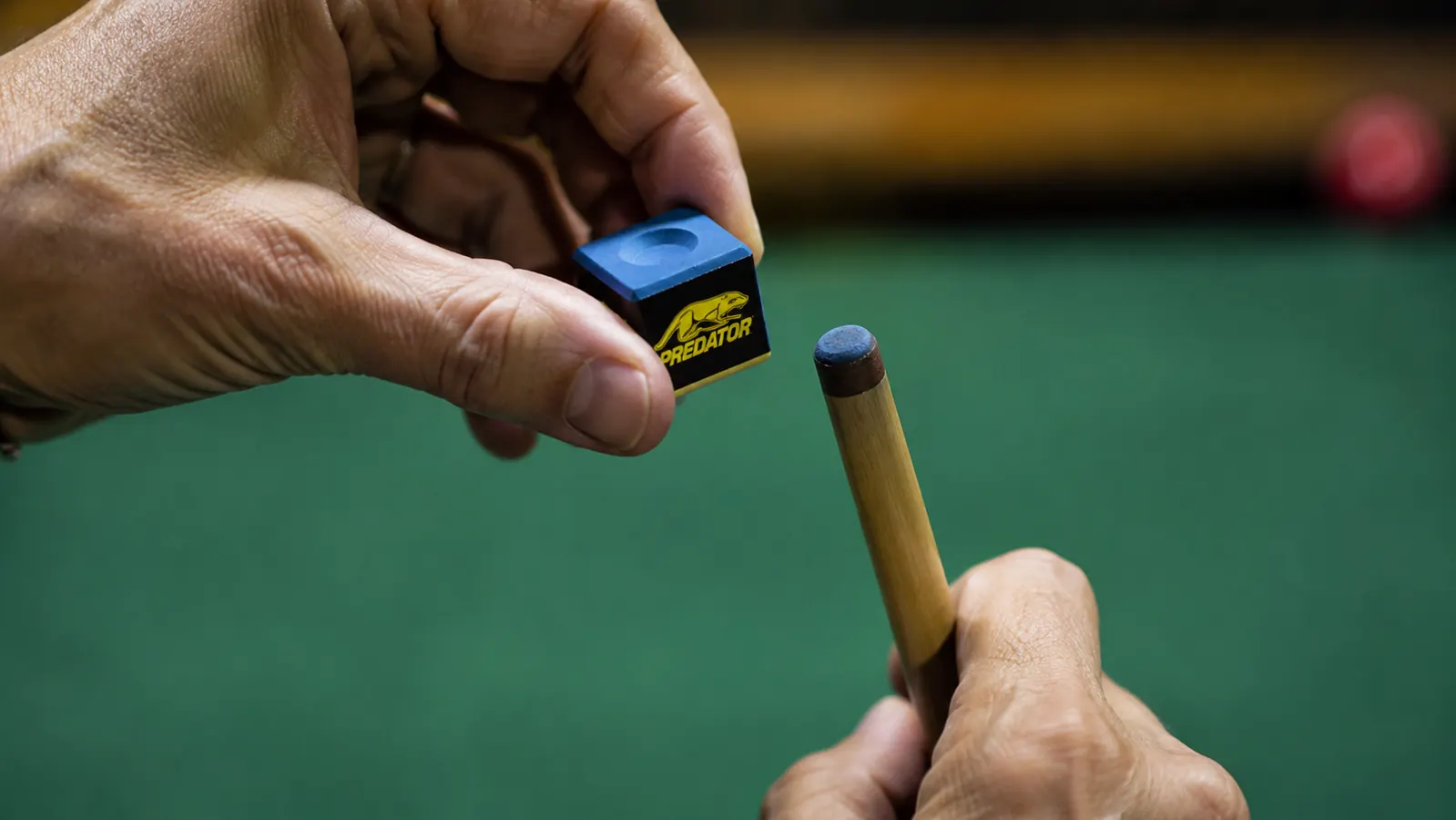
Poor adhesion means your chalk is gone after one shot
Cheap chalk looks like it's on the tip. It is not. The granules sit on the surface and fall off the moment the tip contacts the ball. You walk back to the rack thinking you are chalked up, but the fourth shot in a run has zero chalk coverage. Predator's formula bonds to the tip leather instead of resting on top of it, which is why you do not need to re-chalk after every single shot.
Bad chalk destroys your English on long-angle shots
Side English on a cut shot requires the tip to grip the cue ball from an offset position under slight bridge pressure. If the chalk is gone or the compound is too hard, the tip deflects instead of biting. You aimed for three tips of right English and the ball throws with maybe one. You adjust your aim, you chalk again, and the next shot goes the other way. The inconsistency makes English feel unreliable when it is actually a supply problem at the tip.
Crumbly chalk clogs your tip's pores
Old or low-quality chalk crumbles instead of transferring. The fragments fall into the tip's pores and compact there, hardening the leather over time. A tip that started soft becomes medium-hard after six months of crumbly chalk use. That changes deflection, reduces cue ball feel, and pushes your tip toward needing replacement earlier than it should. Predator transfers cleanly without leaving loose debris.
Three miscues the whole night. My usual count was six to eight. The chalk was doing more work than my stroke on bad nights.
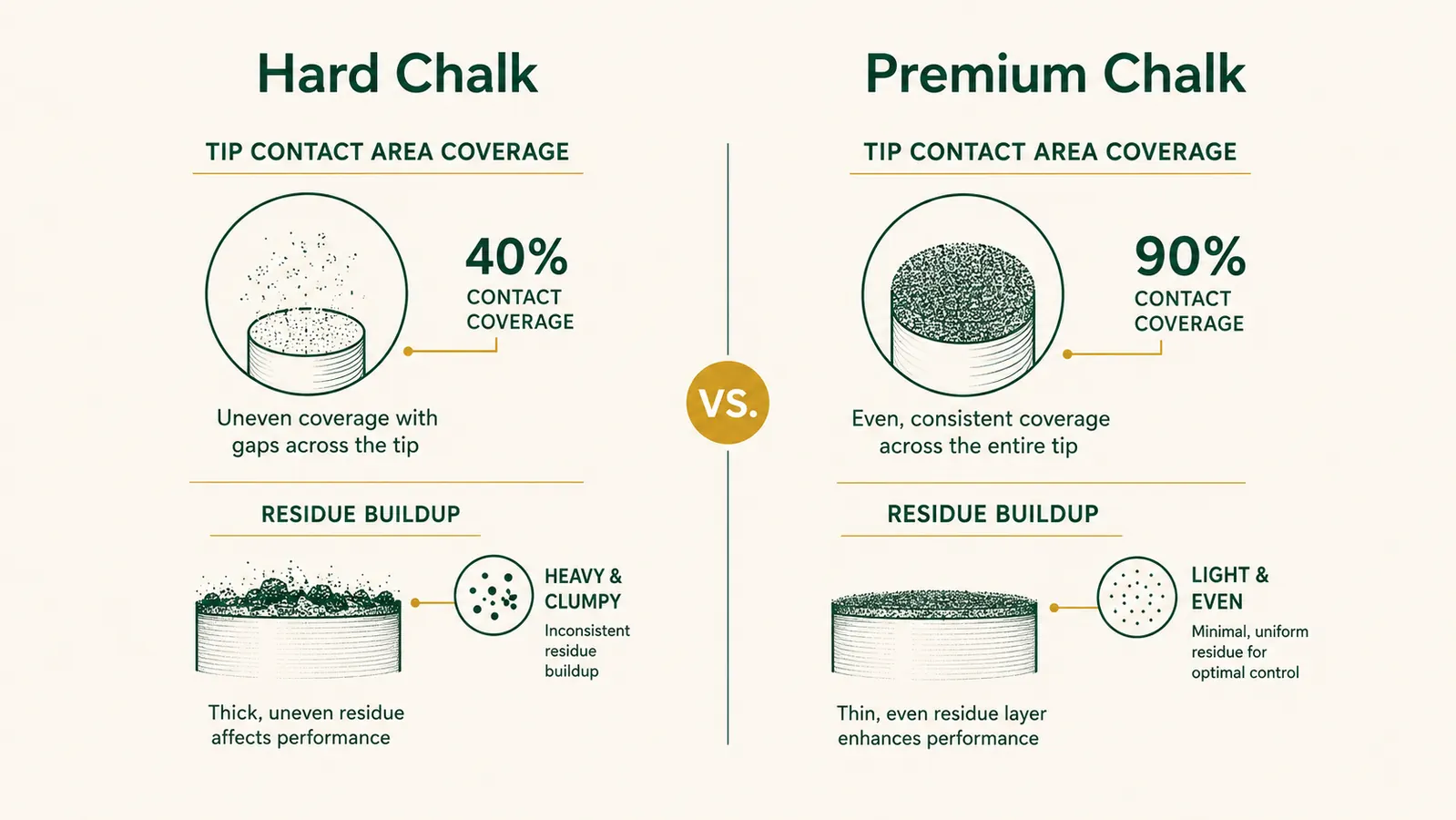
Hard chalk skips on masse and elevated bridge shots
Masse shots and sharp cut shots with elevation require the tip to grip at a steep angle. Hard chalk has almost no grip at those angles because the surface area contact drops dramatically. I started playing more aggressive defensive shots once I switched to a softer chalk compound. Those shots are still hard, but the tip no longer slips completely off the edge on contact. If you find yourself avoiding elevated shots, your chalk may be a larger factor than your form.
Inconsistent chalk makes your practice sessions misleading
You hit a hundred draw shots in practice with fresh chalk on every third attempt. Match night, you go three attempts between applications. The draw behaves completely differently. You think you did not practice enough. Actually, you practiced with better chalk coverage than you are playing with. Predator chalk holds long enough that your practice session coverage and match coverage stay consistent, so what you groove in practice transfers.
Bad chalk causes cue ball skid on stop shots
A proper stop shot requires the tip to strike center-ball with enough friction to kill the cue ball's forward roll. If the chalk is insufficient, the ball skids forward an inch or two past the intended stop point. Against a league opponent, that inch costs you position on your next shot. I tracked this for a month after switching chalk: my stop shot accuracy on a 7-foot table improved noticeably, not from changing anything in my stroke but from the tip actually gripping the ball at the contact point.
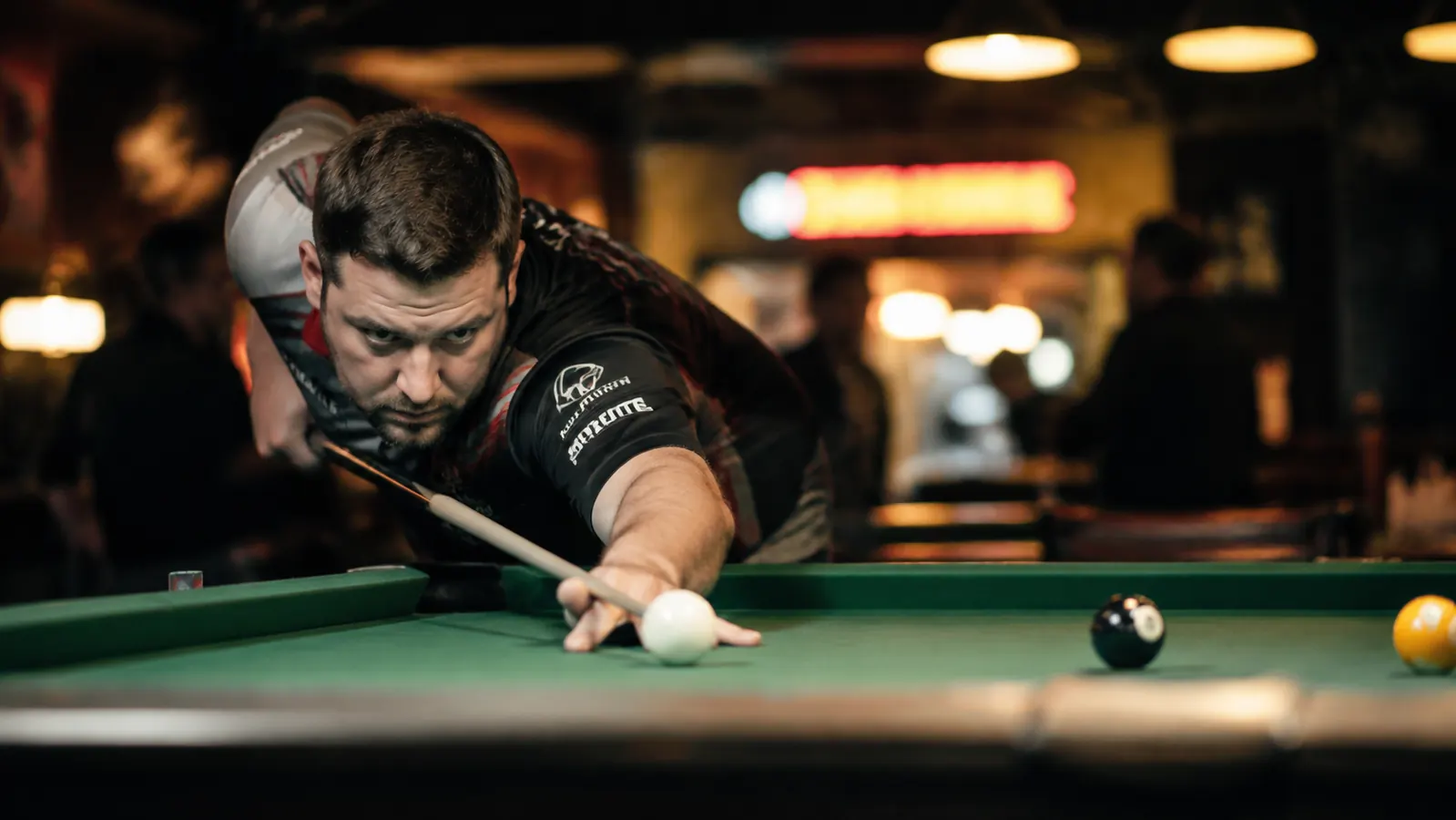
Poor chalk coverage increases flinching under pressure
When you are not confident in your chalk, you over-apply it, you check the tip mid-stroke, and you re-chalk between shots you do not need to re-chalk between. That ritual breaks your rhythm. Experienced league players chalk out of habit after every shot, but they do it quickly and without thought. If your chalk requires constant attention because you have seen it fail, it is taking mental bandwidth away from the shot itself. Reliable chalk adhesion frees up attention for aim and pace.
Cheap chalk leaves blue residue on the cue ball
Excessive chalk residue on the cue ball affects its roll on subsequent shots, particularly on break shots where the ball contacts the rack at full force. Heavy residue can also affect cloth longevity on a home table. Predator chalk transfers a precise, thin layer rather than dumping compound, which means cleaner cue balls and less buildup on the cloth. On a home table where you are paying for cloth replacement, that adds up.
Bad chalk makes your tip wear unevenly
When a tip slips during a stroke instead of gripping cleanly, it wears at the edges rather than across the full contact face. Edge wear creates a rounded tip profile that reduces center-ball accuracy and forces more frequent tip shaping. A soft-compound chalk that grips across the full tip surface distributes wear more evenly and extends the time between tip replacements. Predator chalk at current Amazon pricing pays for itself against the cost of replacing a worn tip every few months.
What I'd Skip
The generic 12-cube boxes sold in pool supply aisles at sporting goods chains. They are designed for house cues on bar tables where nobody expects precise English anyway. For a personal cue with a shaped tip and dialed-in taper, those hard cubes work against everything you have invested in the stick. If you are going to own a quality cue, match your chalk to it.
Predator chalk is the lowest-cost upgrade you will make to your game this year.
A box of Predator chalk runs a fraction of what you would spend on a new tip or a rebalanced shaft. If you are already doing everything else right and still dropping shots on English and stop-shot position, start here. Over 6,600 buyers rated it 4.7 stars for a reason.
Amazon Check Today's Price on Amazon →