
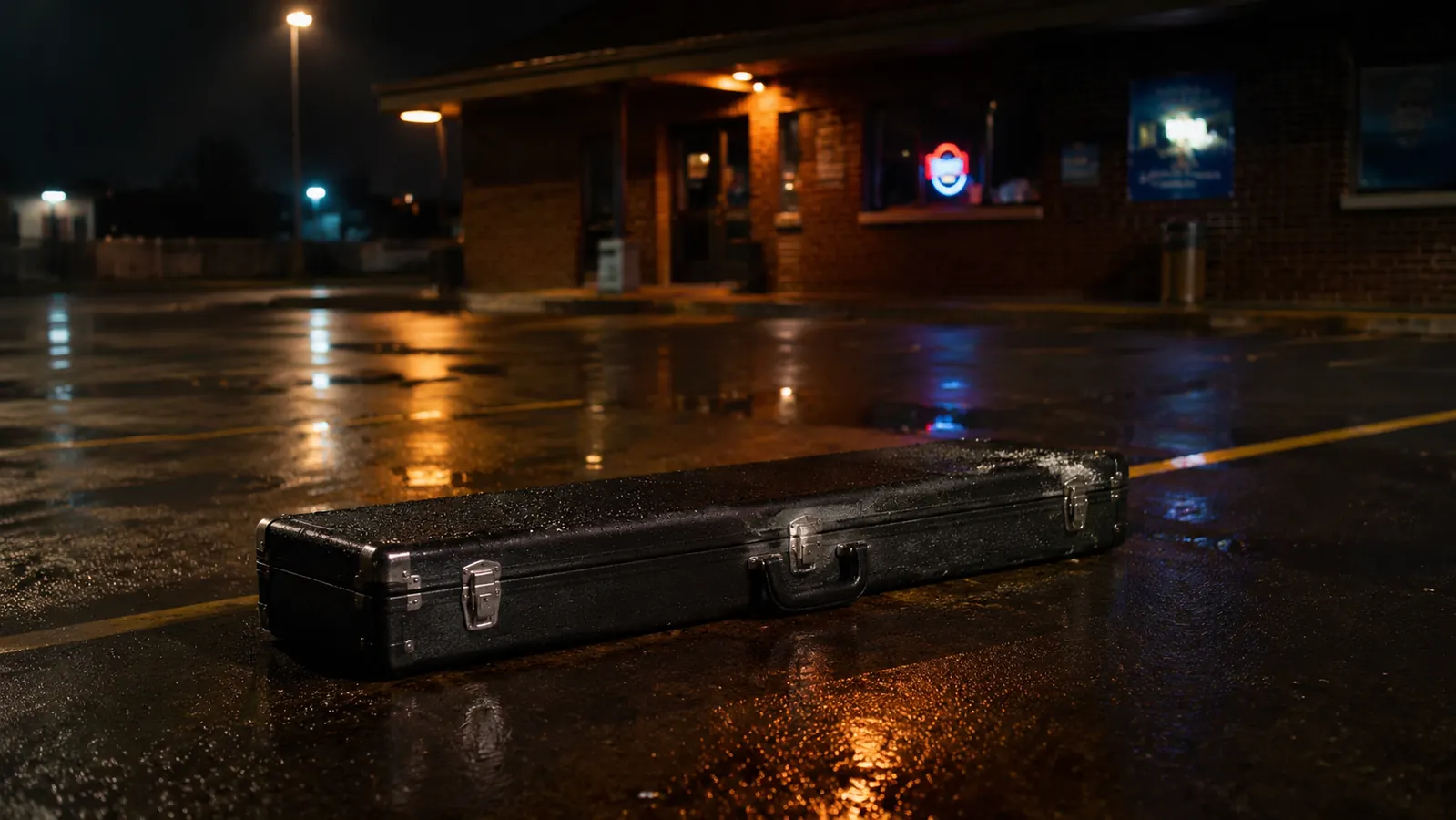
It was a Tuesday in February. APA night at Doyle's Pub, same as every week for the last three years. My teammate Danny had set up a card table in the parking lot to keep our gear off the wet asphalt while we loaded his truck. The table had a slight lean that none of us noticed. My cue bag was sitting on it, the zipper halfway open where I had grabbed my chalk. Then a gust came through and the whole bag slid off the edge and dropped four feet onto concrete.
I was standing ten feet away. I heard the hit before I saw it. A sharp aluminum crack, not the dull thud of a soft bag landing wrong. I walked over expecting the worst. My CUESOUL Rockin Series was in there, a cue I had been shooting with for two seasons. I unlatched the Casemaster Q-Vault, opened it up, and ran my hand along the shaft from tip to joint. Nothing. Not a nick, not a flex, not a crack in the ferrule. The case had a small dent along the aluminum rail on the impact side. That was it.
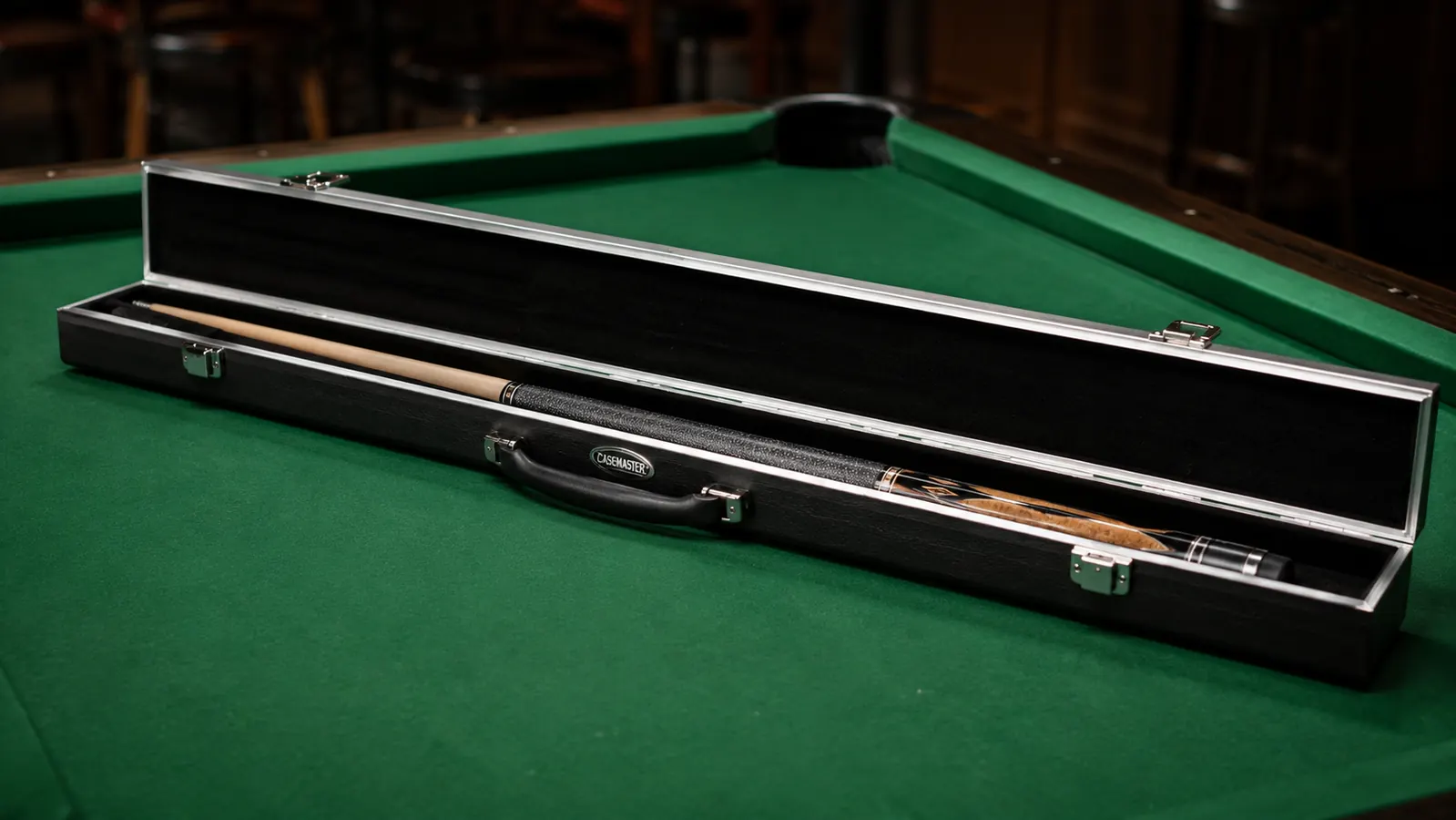
I had been using the Q-Vault for about eight months at that point. I bought it because I was tired of watching the soft cases guys bring to league night. You have seen them: the nylon tube bags that let the butt and shaft knock against each other when you set them down, no interior structure, zipper pulls that stop working in cold weather. A guy on my team, Marcus, had a $220 Predator cue show up at practice with a hairline crack in the shaft after a night it spent in his car trunk in a nylon sleeve. Temperature swings, no padding on the joints, no rigid shell. Gone.
The case had a small dent on the aluminum rail on the impact side. That was it. The cue was not touched.
The Q-Vault is a hard case with an aluminum frame running the full perimeter of the shell. Inside, there is a velvet-lined channel for the butt and a separate channel for the shaft, both padded and held in place. The joint ends do not move around. There is also a small accessories pocket where I keep two cubes of Predator chalk and a spare tip tool. The latches are simple but they engage with a positive snap, not the flimsy slide tabs on cheaper cases. When that case hit the parking lot concrete in 30-degree air, the shell took the hit and transferred it into the aluminum rail. The interior did not shift. The cue never moved.
If you carry a cue worth more than $40, the Q-Vault costs less than the tip replacement on a cracked shaft.
The Casemaster Q-Vault Supreme is under $30 on Amazon, holds a full 2-piece cue, and has over 4,500 reviews from players who figured out the hard way that soft cases are not protection.
Amazon Check Today's Price on Amazon →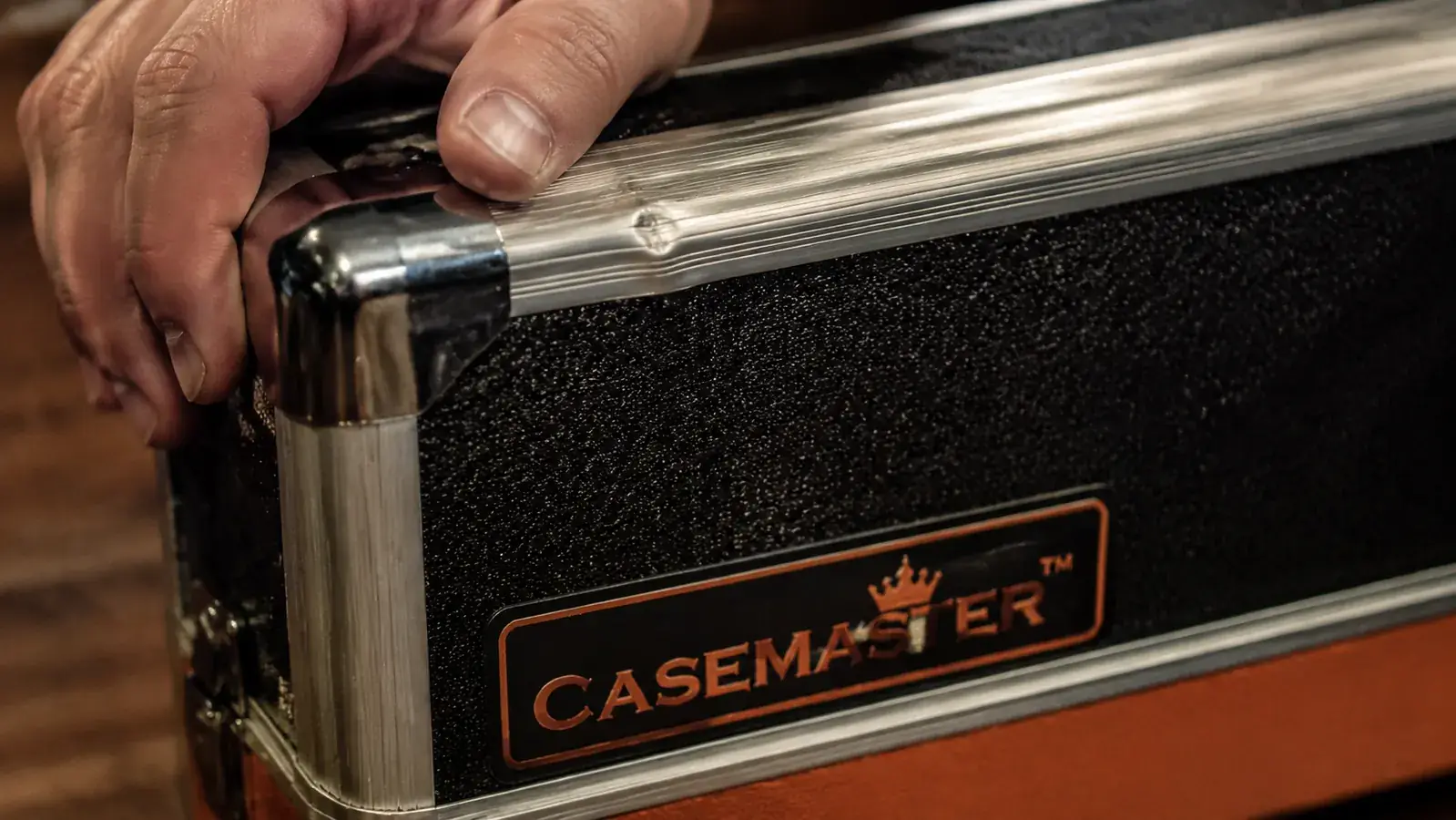
I want to be honest about what the Q-Vault is not. It is not a travel-grade road case. The latches will show wear after two years of daily use, and I have heard of the hinge pins loosening on older units. The exterior shell is ABS plastic reinforced by the aluminum edging, which means a direct hit from a heavy object at the right angle could crack the shell body itself. It is also a 1-2 cue case, meaning it holds one full two-piece cue. If you are walking into a session with a playing cue and a dedicated break cue, you are going to need two Q-Vaults or step up to a different form factor. I use it for my playing cue and carry my RAGE Heavy Hitter separately.
But for what most league players actually need, which is reliable daily protection for one cue at a price that does not require a budget conversation, I have not found anything that beats it. I looked at the Predator Roadline when I was shopping. The construction is nicer in certain ways. The interior locking system is more refined. But you are spending $70 or more for that refinement, and after the parking lot incident, I stopped questioning whether the Q-Vault at its price point was built well enough. The dent on the rail answered that.
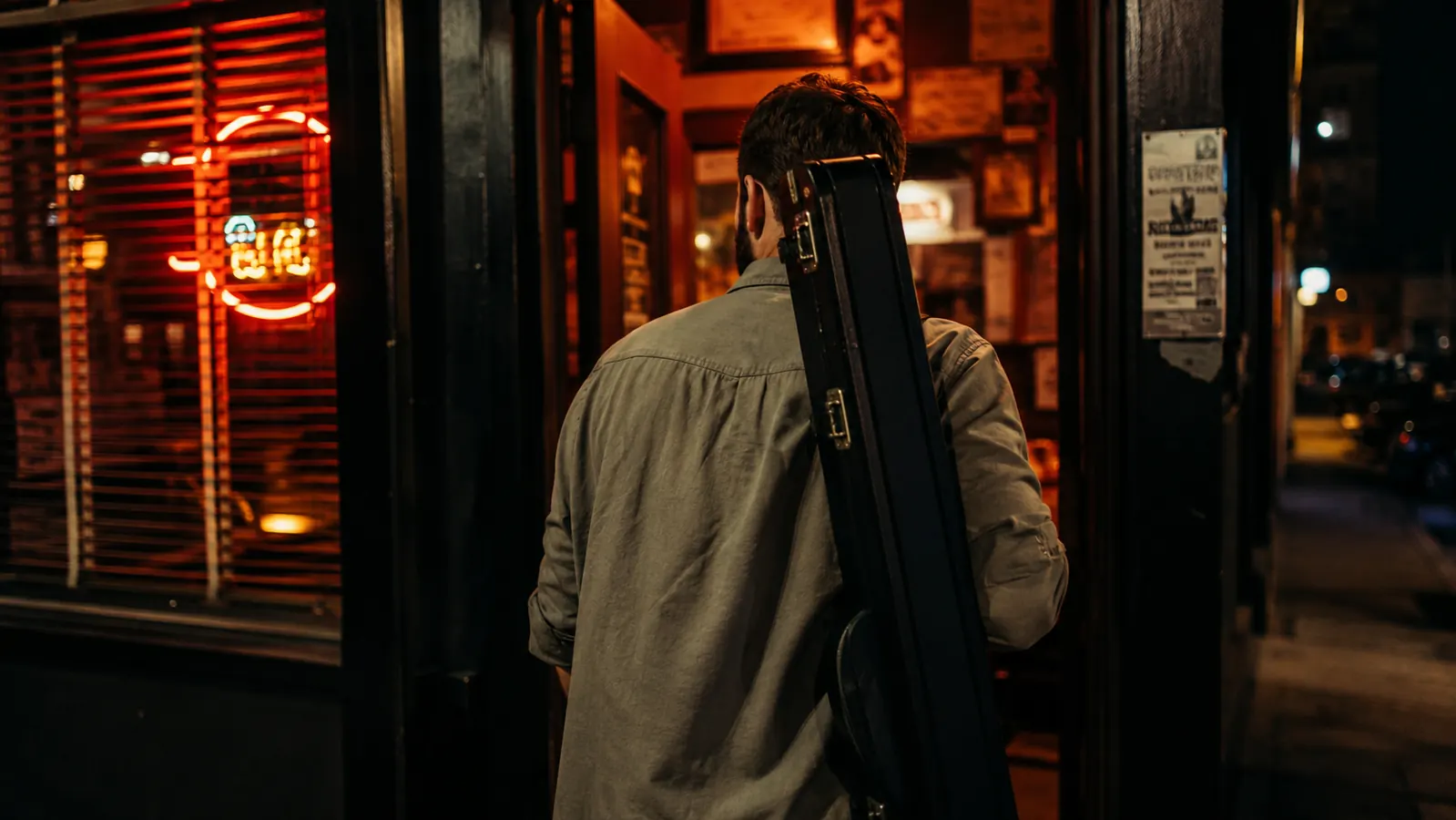
Marcus, the guy with the cracked Predator shaft, bought a Q-Vault two weeks after that Tuesday. He sent me a photo when it arrived with no message, just a thumbs up. That was all either of us needed to say.
What I'd Tell You If We Were Sitting at My Kitchen Table
Here is the honest version. If your cue cost you more than fifty dollars, it is worth protecting with something rigid. Not because you plan to drop it, but because you will. Or it will get knocked, or someone will set something on top of your bag, or you will load it into a car trunk in the dark and forget which way it is facing when you close the hatch. Those are not edge cases. Those are Tuesday nights.
The Casemaster Q-Vault is not perfect. But it is rigid, it is cheap relative to any repair cost, and the aluminum rail absorbs impact in a way that plastic-only shells cannot. If you already have a soft case and you are carrying a cue you care about, the swap is about the same price as a decent dinner out. Make the trade. You will stop thinking about it after one league night, and you will remember this advice the first time something goes wrong and the cue survives it. If you want a fuller breakdown of how the Q-Vault holds up over two years of regular use, the long-term review covers everything I learned the slow way. And if you want to know exactly where it falls short compared to the Predator Roadline, the honest review covers those trade-offs without any spin.
The Q-Vault costs less than one tip replacement. It has over 4,500 reviews. Get it before your next league night.
Casemaster Q-Vault Supreme, hard case with aluminum rail, velvet interior, secure latches. Holds one full 2-piece cue. Ships Prime.
Amazon Check Today's Price on Amazon →